


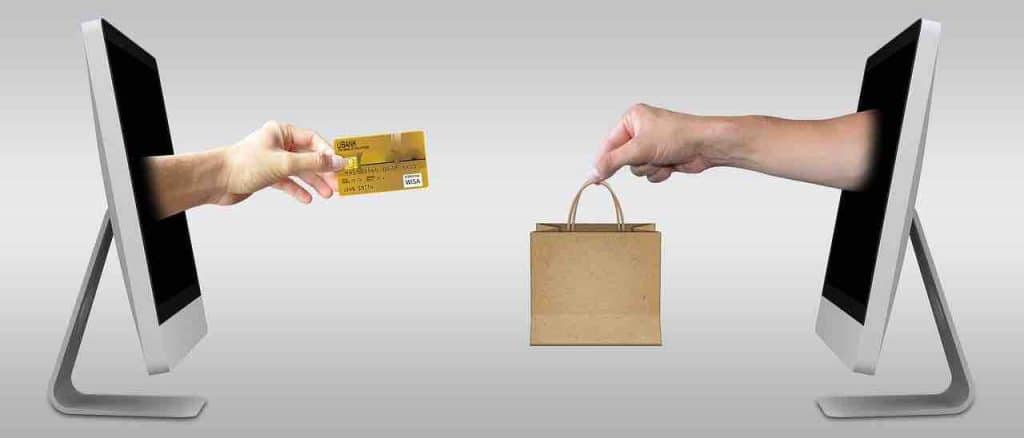
Across Ireland, small businesses are adapting to survive in an economy increasingly shaped by online shopping.
By Rye Baker.
With global platforms like Amazon and Temu offering fast, cheap delivery, Irish retailers have had to rethink how they operate to remain competitive—especially after the pandemic accelerated a permanent shift in consumer expectations.
For many, the solution lies in hybrid models that combine traditional brick-and-mortar presence with digital tools. Irish businesses that once relied solely on foot traffic are now embracing e-commerce platforms like Shopify, Squarespace, and Etsy to reach a wider audience. In towns and cities from Dublin to Galway, independent retailers are proving that digital doesn’t have to mean impersonal.
Books Upstairs, one of Dublin’s oldest independent bookshops, launched an online store during the pandemic to sell curated Irish literature and niche titles nationwide. Its continued success online shows how even heritage retailers can evolve without sacrificing identity. Likewise, Siopaella, a designer consignment store in Temple Bar, has long used Instagram to connect with followers, regularly posting product drops via Stories and offering direct purchasing through DMs and links.
Social media has become a vital marketing tool, particularly for small Irish clothing brands. Aoife McNamara, a Limerick-based sustainable fashion label, grew its following through Instagram and TikTok while integrating online sales directly through its website. The brand’s success reflects a broader trend: younger Irish entrepreneurs are using digital tools not just to sell, but to build a sense of community and mission around their business.
In the food and drink sector, many Irish cafés and grocers pivoted to local delivery and click-and-collect services. Businesses like Two Boys Brew in Phibsborough or Camerino Bakery in Dublin City Centre offered online ordering for collection or local delivery during lockdowns—and have kept those services in place due to continued demand. These approaches allow small operators to compete on convenience, even if they can’t match the scale of global giants.
While not every business has gone fully online, many have adopted a blended approach. A boutique might offer in-store fittings but process payments and inventory through a cloud-based POS system. A local florist might still rely on walk-ins but now accepts orders through Instagram messages or WhatsApp. These low-barrier digital integrations have become the norm.
Challenges persist—rising rents, staffing shortages, and digital skills gaps remain obstacles for many. But support structures exist. Local Enterprise Offices (LEOs) offer the Trading Online Voucher Scheme, which helps small businesses build or improve their websites. Enterprise Ireland and the Irish SME Association (ISME) also provide digital transition resources and mentoring.
Ireland’s small business sector remains resilient—and increasingly digital. While the shift to online retail may have been accelerated by crisis, many of these adaptations are here to stay. The future of Irish retail likely won’t be either physical or digital—it will be both.
READ MORE: