By Héloïse Chaudot
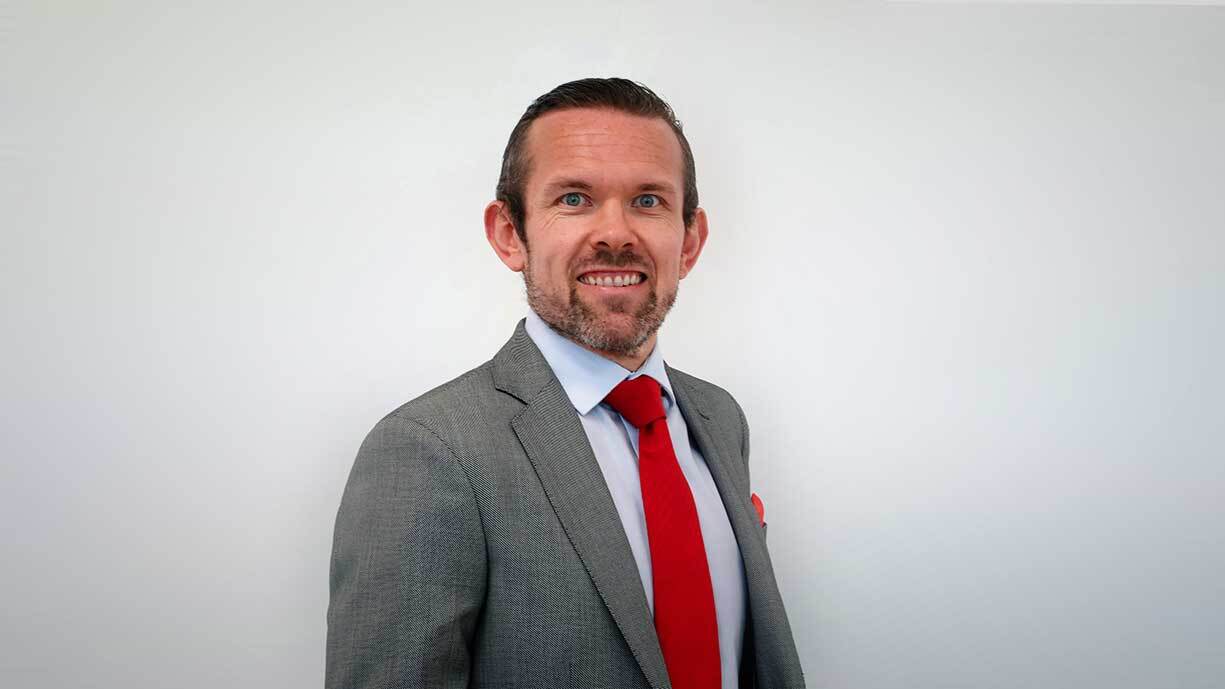
Auralia is Ireland’s largest and longest-established cosmetic and bariatric surgery provider, and one of Ireland’s youngest healthcare CEOs. He joined Auralia straight from college in 2012 and worked his way through the organisation before being appointed CEO in 2025.
What are your main priorities and goals in your role?
My biggest priority is making sure we keep moving forward, but without losing sight of what made Auralia successful in the first place. We’ve grown a lot, and the business today is very different to what it was even a few years ago.
For me, the challenge is making sure that growth is done properly. In healthcare, you shouldn’t just chase growth for the sake of it. We have patients putting a huge amount of trust in us, so quality, safety and the standard of care have to come first.
What are your biggest challenges as CEO?
Probably balancing growth with the reality of running a hospital day to day. We’re ambitious, and there are always new services we want to develop, but healthcare is incredibly regulated and, rightly so, there are a lot of boxes that need to be ticked before you can simply move ahead with an idea.
The other challenge is knowing when to step back. I’ve always been very hands-on, and I like knowing what’s happening across the business, but as we’ve grown, that becomes less realistic. You have to trust the people around you and accept that not everything needs your direct involvement. I’m probably still learning that one.
How do you keep your team/staff motivated?
I think a lot of motivation comes from the team around you and feeling that you’re part of something bigger. We’ve put a huge amount of effort into building that kind of team. Even when we’re recruiting, we’re not just looking at someone for an individual role; we’re thinking about how they’ll fit into the wider team and what they’ll bring to it.
We also socialise a lot outside of work, and I hold a meeting with the entire company every month, town hall style, to talk openly about what we’re doing, the projects we’re working on and where we’re going. I want people to understand the bigger picture and see the potential to grow with us. When you know the people around you, rely on each other and feel part of where the company is going, I think that creates a much more genuine form of motivation.
What are the challenges facing the industry going forward?
Social media has created increasingly unrealistic expectations around surgery. Patients are constantly exposed to heavily edited content, but you rarely see the full picture. Surgery isn’t an exact science; every patient is different, and there are limitations to what can realistically be achieved.
Bariatric surgery is also changing very quickly with the growth of weight-loss medications, and I think the industry has to adapt to that rather than see it as a threat. Surgery will remain important, but the way we treat obesity is evolving. For providers like us, the challenge is making sure we evolve with it, rather than pushing back against it.
What new trends are emerging in your industry?
In cosmetic surgery, we’re seeing a definite move towards more subtle, natural results and less invasive procedures. Patients want to look better without necessarily looking like they’ve had surgery, and that’s a positive change.
Bariatric surgery is going through an even bigger change with the popularity of GLP-1’s and a move towards combined therapy, using both medications and surgery. We’re increasingly looking at how the two can work together. I think that will become a much bigger part of how obesity is treated over the next few years.
Are there any major changes you would like to see in your sector?
I’d like to see more support for patients who feel they have no option but to travel abroad for surgery because of affordability. We already have mechanisms that support certain treatments elsewhere in Europe, so I think there’s a reasonable conversation to be had about supporting more patients to access treatment here at home.
Keeping their consultation, surgery and aftercare within the Irish healthcare system, with their surgical team close by if they need them, isn’t only safer, but makes sense.
As an employer, are you finding any skill gaps in the market?
Finding qualified clinicians isn’t particularly difficult. The challenge is finding people with significant experience behind that qualification. In healthcare, there’s a huge difference between being appropriately qualified and having years of practical experience.
How do you define success, and what drives you to succeed?
For me, success is probably about progress more than reaching a particular end point. I’m very driven by seeing something improve, whether that’s the business growing or a new service getting off the ground. I’m not particularly good at standing still, so once we achieve something, I’m usually already thinking about what we can do next.
What’s the best advice you’ve been given in business?
Never let your ego or emotions drive a decision. It’s very easy to react to something in the moment. Sometimes you need to step back, look at the bigger picture and make the decision based on the facts, the data and what actually makes sense, rather than how you feel about it at the time.
What advice would you give to others starting in business?
Work harder than the people around you and don’t be afraid to ask questions. I learned a huge amount by asking people above me why they made certain decisions and trying to understand how the business worked, far beyond my own role.
What have been your highlights in business over the past year?
Thankfully, we’ve had a really strong year. We’ve developed several new service lines, and winning Cosmetic Surgery Clinic of the Year was obviously something we were very proud of. But if I had to pick the biggest highlight, it would be the team we’ve built around us.
I’m surrounded by great people, doing great work, and that makes my job much easier. I couldn’t do what I do without them, and what we’ve achieved over the past year is really a reflection of their work, not mine.
What’s next for your company?
Growth. We’ve achieved a lot over the past few years, but we’re only about 10% of where we want to be. There’s a huge amount more we want to do with Auralia, both in terms of the services we provide and the scale of the business. The foundations are there now, and I think the next few years are going to be very exciting.
Where do you want your business/brand to be this time next year?
Further along the road. We have a very clear idea of where we want Auralia to go, but I’m realistic enough to know it won’t happen overnight. This time next year, if we’re still moving forward at the pace we are today, I’ll be happy.
What is the best book you’ve ever read (non-business) and why?
I might disappoint you with this one because I very rarely read anything outside of business books, and I don’t read fiction at all. But I remember Seven Deadly Sins by David Walsh being a really good read, so I’ll go with that one!
What is your favourite hobby and why?
Running. It’s the one thing that allows me to completely unwind and switch off, but I also love the challenge of it. Whether it’s trying to run a faster 5K or taking on a marathon, there’s always something to work towards and always something you can improve on.
What is your mantra for life?
Work hard for the life you want and don’t expect to be given it. Nothing particularly profound, but it’s something I’ve always believed in.
Read more CEO Q&As:
Alan Craughwell, Founder & CEO of AssistiV