By Héloïse Chaudot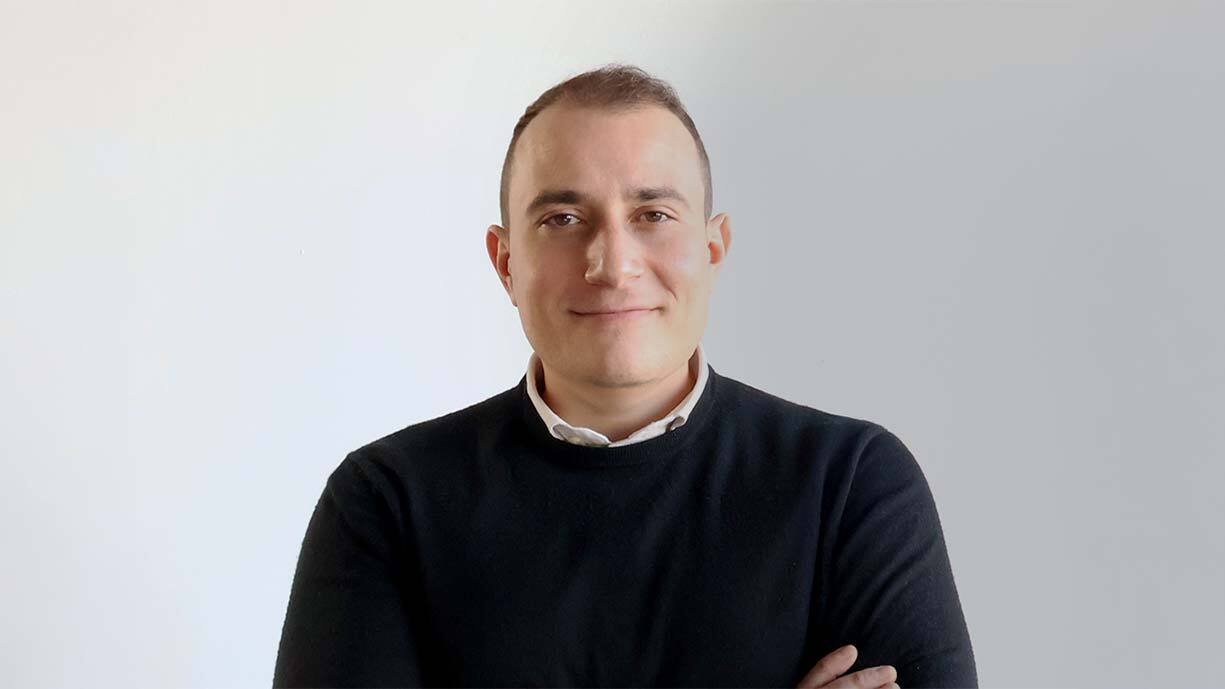
Francesco De Stefano is the Co-Founder and CEO of Caracol, a leading industrial robotic advanced manufacturing technology provider. He manages Caracol’s growth and global operations, overseeing fundraising, strategy, commercial, finance, and operations. De Stefano holds degrees from Bocconi University, London Business School, and an MBA from Columbia Business School. He lives and works between Milan, Italy, and Austin, TX, USA.
What are your main priorities and goals in your role?
Scaling Caracol into the global reference point for large-format robotic additive manufacturing. We’ve spent years validating the technology with the most demanding industries in the world. Now the challenge is expanding our partner ecosystem, deepening our software and AI capabilities, and growing without losing the technical depth that got us here.
What are your biggest challenges as CEO?
Honestly, the hardest part is timing. We created a market from scratch. You have to be patient enough to validate the technology, bring industries along with you, convince investors to wait, and at the same time move fast enough to capture the opportunity. That tension never really goes away.
How do you keep your team/staff motivated?
I try to be honest with them about where we are and where we’re going, the good and the hard. People don’t need to be protected from reality. They need to understand the mission well enough to find their own motivation within it. What keeps our team going is knowing we haven’t even scratched the surface of what this technology can do.
What are the challenges facing the industry going forward?
Certification cycles and perception. We need shared standards that shorten adoption without compromising safety.
What new trends are emerging in your industry?
The shift from hardware-led to software-driven manufacturing. We’re moving into real-time monitoring, predictive maintenance, and AI-driven adaptive control, where the machine reads and adjusts parameters automatically.
Are there any major changes you would like to see in your sector?
More collaboration between players. What slows adoption is the lack of shared certification standards and application knowledge that the whole industry can build on. No single company can solve that alone.
As an employer, are you finding any skill gaps in the market?
Yes, but the shortage isn’t in engineers. It’s in people who sit at the intersection of hardware, software, and industrial process knowledge. That profile is rare, and we invest heavily in developing it internally.
How did your strategy develop in the context of the banking crisis and economic crisis?
Caracol was born in a period of real capital scarcity for deep tech in Italy. What that environment taught us was discipline: build a business model that generates revenue and learnings simultaneously. We operated as a service bureau for five years before commercialising the technology. When we finally brought the hardware to market, we weren’t selling a machine but a proven industrial process.
How do you define success, and what drives you to succeed?
When I applied for my MBA at Columbia, my cover letter revolved around one idea: I wanted to make an impact. At 25, I thought I knew what that looked like. Building Caracol taught me that impact is seeing a boatbuilder who couldn’t find enough skilled laminators finally be able to scale production. It’s seeing a factory worker retrained from decades of demanding work into a safer, more qualified role. And it’s watching a graduate join us as an intern and, three years later, lead a mechanical engineering team. That’s what drives me.
What’s the best advice you’ve been given in business?
Don’t get too attached to your first solution. Stay deeply attached to the problem and to your customers.
What advice would you give to others starting in business?
Find the right investors before you need them. In deep tech, the wrong capital at the wrong moment can kill a company faster than the wrong technology. Also, bring different, complementary capabilities in the people closer to you. The loneliness that comes with building something from scratch is real.
What have been your highlights in business over the past year?
We closed our Series B, acquired Hans Weber’s AM IP to deepen our presence in the DACH market, opened our US HQ in Austin, Texas, and expanded partnerships with companies such as CNC Robotics in the UK. 2025 confirmed we are scaling in the right direction
What’s next for your company?
More markets, deeper software capabilities, and a partner network that makes us genuinely local everywhere we operate.
Where do you want your business/brand to be this time next year?
I want Caracol to be recognised as the integrated platform that defines how advanced manufacturing scales industrially.
What is the best book you’ve ever read (non-business) and why?
The Last Lecture by Randy Pausch. It reminds me that even if we constantly have ambitious goals and we fight hard for them, the true meaning of life and happiness is somewhere else. I go back to it when I need to remind myself how lucky I am to live a life full of health, love and opportunities.
What is your favourite hobby and why?
Sailing. I’ve sailed since I was a kid. There’s something unique about being on the water, working with the wind rather than against it. It requires vision and clarity, while giving you a sense of freedom you can’t find anywhere else.
What is your mantra for life?
Stay humble enough to keep learning, and brave enough to act on what you’ve learned. The day you think you’ve figured it out is the day you stop growing.
Read more CEO Q&As: