By Business & Finance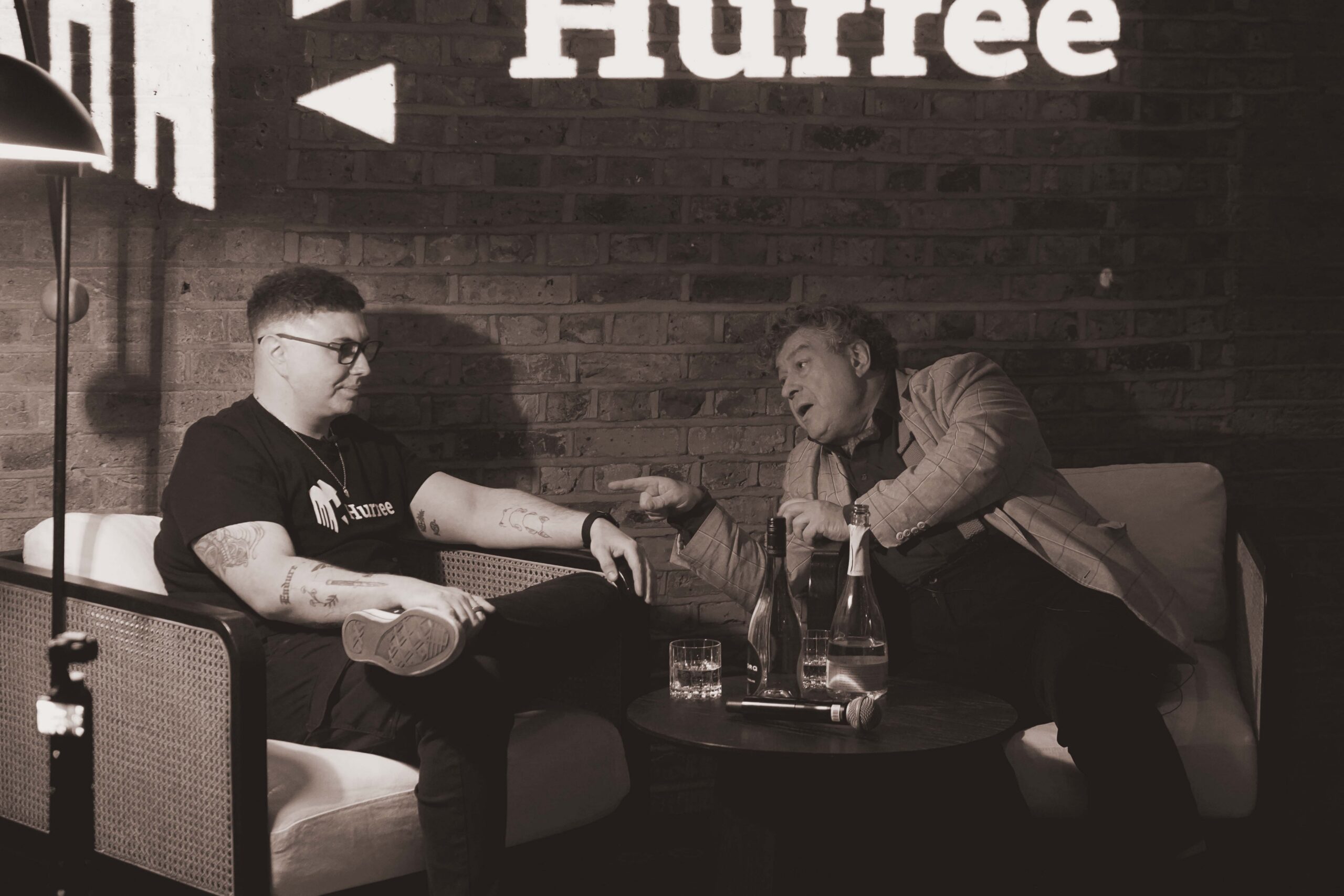
After a fireside chat with Rory Sutherland, Aaron Gibson reflects on one of business’s most persistent challenges: the gap between perception and reality. The businesses that win are often those that let data guide their decisions rather than opinion.
Last week, we hosted Rory Sutherland at a private fireside chat in London. I expected it to be good; the man is Vice Chairman of Ogilvy and somehow one of the most viral people on TikTok, but I wasn’t expecting to still be turning things over in my head days later.
The thread running through everything we discussed was simple: people are unreliable narrators of their own behaviour. Your data isn’t. And the gap between those two things is where most businesses get it wrong.
What people say they want and what they actually do are worlds apart
75% of consumers say they’ll pay more for eco-friendly products. The actual number is closer to 8%. A biscuit company launched a low-fat version that tasted identical in blind tests and watched sales collapse, because slapping “low-fat” on the label made people assume it tasted worse. If you’re building a strategy on survey responses and focus groups alone, you’re building on sand. The data showing what customers actually do will always tell you a more honest story than what they say they’ll do.
The real problem usually isn’t what you think it is
We talked about electric cars and range anxiety. Most people don’t drive more than 50 miles on a given day – the anxiety isn’t rational. But the industry keeps pouring billions into engineering a wider range instead of looking at the data and realising drivers just need to feel less anxious. I think about this constantly with software.
We default to building more features when the data is often screaming that the real issue is confidence, not capability. The answers are usually already sitting in your numbers. You just have to be willing to hear something different from what you expected.
If you’re rolling out AI, watch what your team does, not what they say
This one hit me. For 150 years, there’s been an unwritten deal between businesses and their people: if the company does well, you’ll do okay. AI has disrupted that. The narrative now is that a business can succeed by getting rid of its people.
And the blowback is real. Young workers are actively undermining AI efforts because they see it as a threat, not a tool. No one’s going to tell you that in a town hall. But the data – adoption rates, usage patterns, productivity metrics – will show you exactly where the resistance is. Pay attention to it.
“Same but cheaper” is a trap, and the data will prove it
Everyone’s racing to use AI to cut costs right now. Same product, fewer people, bigger margins. But when everyone optimises for the same thing, there’s nothing left to differentiate you. The question I keep coming back to isn’t “how do we do this cheaper?”, it’s “what can we do now that we literally couldn’t do before?” And the only way to answer that honestly is to actually look at what your data is telling you, not what a consultant’s slide deck says the industry is doing.
We obsess over what we do instead of how we think, and it shows in how we use data
As founders and marketers, we justify ourselves through outputs. But the conversations that actually move the needle aren’t about what the numbers are; they’re about what the numbers mean. I’ve seen it at Hurree time and time again: two companies looking at the same metrics, one growing and one stalling, and the difference is almost always in how they interpret the story the data is telling them. The dashboard isn’t the hard part. Asking the right questions is.
That’s fundamentally what we’re building at Hurree, a way to close the gap between what people think is happening and what the data says is actually happening. Because your customers will always tell you what they think you want to hear. Your data will tell you the truth. The businesses that win are the ones that learn to listen to it.
It was a brilliant evening, and the kind of conversation that makes you rethink a few assumptions. And if you’ve ever listened to Rory for more than five minutes, it’s sort of the whole point.
 About the author: Aaron B. Gibson is the CEO of Hurree, an AI-powered data ecosystem transforming how businesses access and act on their data.