By Business & Finance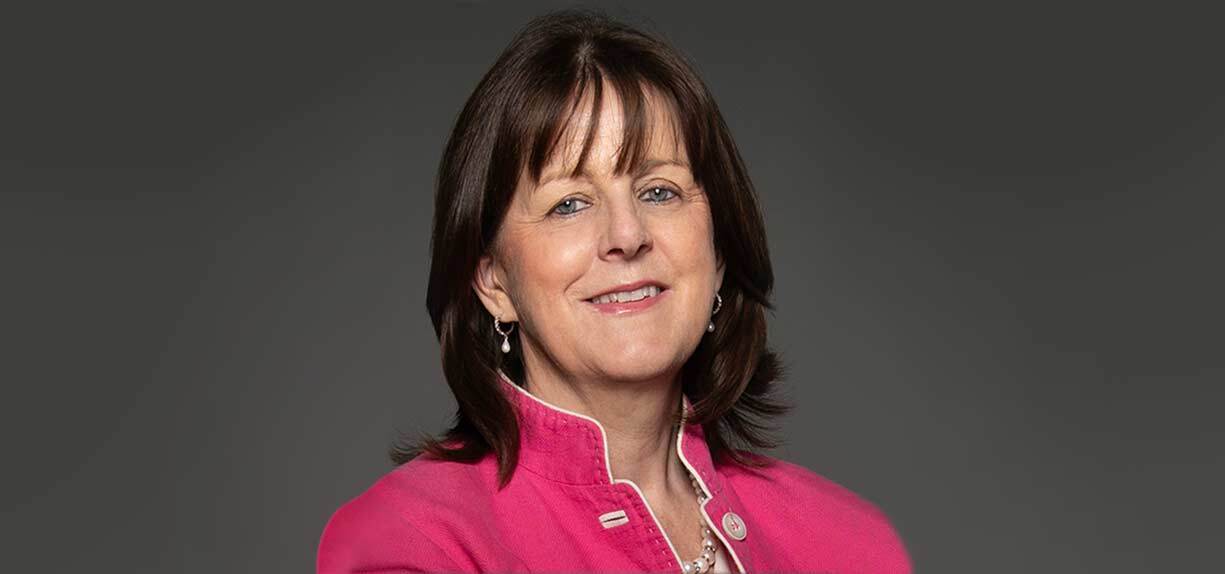
To mark International Women’s Day 2026, senior executive women share their thoughts on the Give to Gain principle. Meliosa O’Caoimh is the Country Head of Northern Trust. She reflects on the importance of investing in people, particularly through sponsorship and inclusive leadership, to advance women into senior roles and strengthen organisations.
The theme for International Women’s Day 2026 is Give to Gain. In a business context, what does this mean to you as a leader?
For me, Give to Gain captures a simple leadership truth: sustainable performance is built through intentional investment in people. The “give” is not abstract — it’s time, sponsorship, listening, and a willingness to challenge systems that unintentionally exclude. The “gain” is stronger teams, better decision-making, and a culture where everyone has the right to thrive.
International Women’s Day is a moment to pause and reflect, but progress only happens when inclusion is embedded into how we lead every day — how we hire, develop talent, support well-being, and hold ourselves accountable.
Looking at your own career, what opportunities or support were most pivotal in accelerating your leadership journey, and how are you now paying that forward?
In my early career, the value of female role models was key, and although the numbers at the time were low, the quality of those women ahead of me who were succeeding was outstanding.
Working at Northern Trust, which has a naturally inclusive and respectful culture, helped me to define my vision of what great leadership was all about. My certainty that diverse teams get better results has shaped my determination to do everything I can every day to help all the people around me to stretch and grow.
Where are organisations still falling short in advancing women into senior decision-making roles?
Many organisations still struggle with moving from aspiration to execution. We talk about potential, but don’t always align systems to support it. Women are often well-mentored but under-sponsored, and processes for progression can lack consistency or transparency.
The most effective actions are practical: assign sponsorship accountability, define clear criteria for senior roles, and review representation as part of regular business performance discussions. Where leaders own outcomes — not just intentions — progress follows.
In today’s economic climate, how can businesses ensure gender equality remains a strategic priority?
Gender inclusion remains a strategic priority when it’s treated as a business capability. That means embedding it into leadership expectations, talent practices, and operating rhythms — not isolating it within a single function or moment in time.
Learning and dialogue also still matter, particularly when they address both structural barriers and lived experience. But they must be reinforced by action.
What is one practical commitment every leader should make in 2026 to embody Give to Gain?
Every leader should commit to actively sponsoring at least one woman into a role or opportunity that materially advances her career.
That means using influence deliberately: opening doors, providing air cover, and staying engaged through the challenge.
The return on that investment is significant: stronger succession pipelines, more resilient leadership teams, and cultures where inclusion is lived. When responsibility is shared and progress is measured, meaningful impact is sustained.
Read more on International Women’s Day:
“Women in the EU are more likely to have a degree” – Jane McDaid, Founder of THINKHOUSE