By Olivia DeWan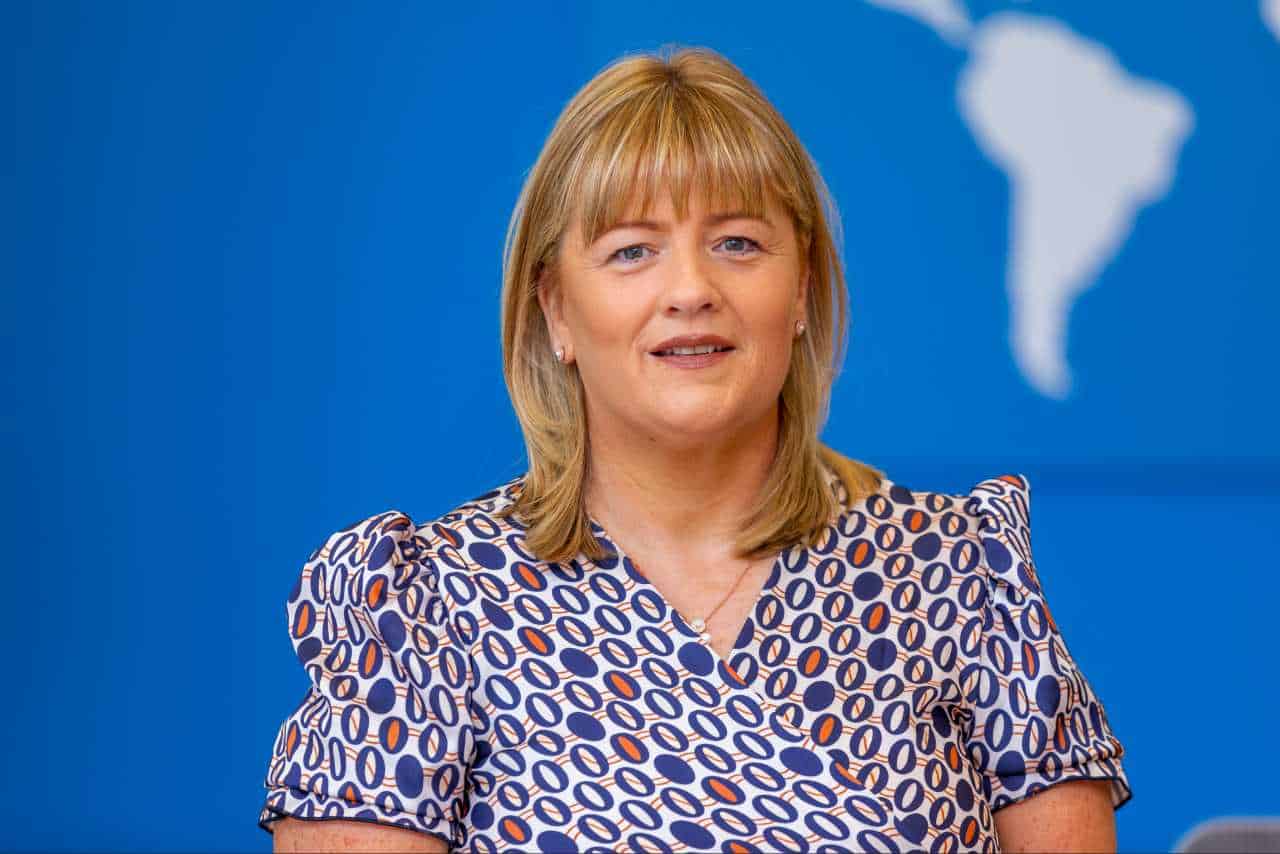
Maureen King is the Founder & CEO of iTrust 6A™, leading the development of the world’s first decision-support software for lawful data disclosure. With over 20 years of experience advising on data disclosure to law enforcement, she has provided expert testimony in hundreds of serious criminal trials and contributed to EU and government policy.
What are your main priorities and goals in your role?
My primary focus is to build and reinforce trust in how organisations respond to legal demands for data. Alongside this, a critical priority is enabling organisations to respond quickly and efficiently, without compromising compliance or accountability.
Our goal is to position iTrust 6A™ as the trusted platform for data disclosure decision‑making – one that not only drives greater accountability and adapts alongside technological change, but also scales to support fast, efficient, and compliant access to data, meeting the real-time expectations of modern business and regulatory environments.
What are your biggest challenges as CEO?
The biggest challenge is operating at the intersection of technology, law, and public trust – three forces evolving rapidly and often in different directions. A key part of that is shaping our approach to AI, ensuring it is used responsibly, transparently, and with strong governance in a highly sensitive and regulated space.
How do you keep your team motivated?
Our work is inherently meaningful – that drives motivation. When people see that their work contributes to real‑world, often time‑critical outcomes, it changes how they engage. My role is to maintain that connection while ensuring we’re building something commercially strong and sustainable.
What are the challenges facing the industry going forward?
The industry is moving from fragmented and reactive to structured and accountable. Organisations must respond faster to lawful requests while demonstrating compliance, transparency, and respect for rights. At the same time, rules vary significantly across jurisdictions, creating risk and legal complexity. Balancing speed, consistency, and legal certainty will be a defining challenge as businesses adapt to increasing demand and scrutiny.
What new trends are emerging?
We’re seeing a shift towards enhanced safeguards, greater cooperation, and cross‑border alignment in lawful data disclosure – something clearly reflected in the EU’s e‑Evidence Regulation, coming into force this August. It enables judicial authorities to request data directly from service providers, removing long‑standing delays and reducing legal uncertainty.
At the same time, it introduces tighter timelines for service providers to comply – 10 days for standard orders and 8 hours in emergencies – driving the need for more structured, scalable, and defensible compliance.
Organisations are no longer judged solely on whether they comply, but on how they demonstrate it.
Are there changes you’d like to see?
The lack of harmonisation across jurisdictions creates friction, inefficiency, and legal uncertainty. Greater alignment would be transformative – simplifying compliance, reducing risk, and enabling faster, more consistent decision-making while protecting fundamental rights, delivering justice, and strengthening public and customer trust.
The EU’s e‑Evidence Regulation is a positive step, but more progress is needed to achieve a truly consistent global approach.
Are there skill gaps in the market?
Yes – in our space, which remains an emerging discipline, practitioner expertise must be harnessed alongside legal and technical capability. We’re focused on building a talent pipeline of individuals with strong emotional intelligence, critical thinking, curiosity, adaptability, and a commitment to continuous learning.
How do you define success, and what drives you to succeed?
Success, for me, is about impact – building something that truly matters. I’ve seen firsthand how lawful and timely access to data can save lives, and that’s what drives me. It’s about humanising data, because behind every disclosure of data is a real story, a real investigation, and rights that must be carefully balanced.
What advice would you give to others starting in business?
Solve something meaningful, have fun along the way, and take care of your health. Expect difficulty, the need to pivot, and setbacks – it’s part of the journey and have the conviction to keep going when it gets hard. “Fight for the things you care about, but do it in a way that brings others with you.” Ruth Bader Gingberg – that’s what purpose-driven work is all about.
What’s the best advice you’ve been given?
Build something you genuinely believe in. When it’s tested – and it will be – that belief is what keeps you going.
What’s next for your company?
Our near‑term focus is on helping service providers comply with the EU e‑Evidence Regulation. Beyond that, we’re building a global platform for lawful data disclosure, designed to manage and evidence compliance with legal demands for the disclosure of data across any jurisdiction, for any law and in any sector.
Where do you want your business/brand to be this time next year?
We aim to become the trusted platform and go‑to partner in the EU for lawful data disclosure, driving scalable compliance and expansion into sectors like connected vehicles.
What is the best book you’ve ever read (non-business) and why?
Ikigai, by Héctor García and Francesc Miralles – it is about finding your “reason for being”- where passion, purpose, and livelihood align, and fulfilment comes from both meaningful work and everyday moments.
What is your favourite hobby and why?
Weightlifting, particularly deadlifting, builds focus, discipline, and grit and is an investment in both my mental strength and muscular health.
What is your mantra for life?
Purpose in what I do. Meaning in how I live.
Read more CEO Q&As:
Kieran Daly, General Manager and Co-Founder of HealthBeacon