By Business & Finance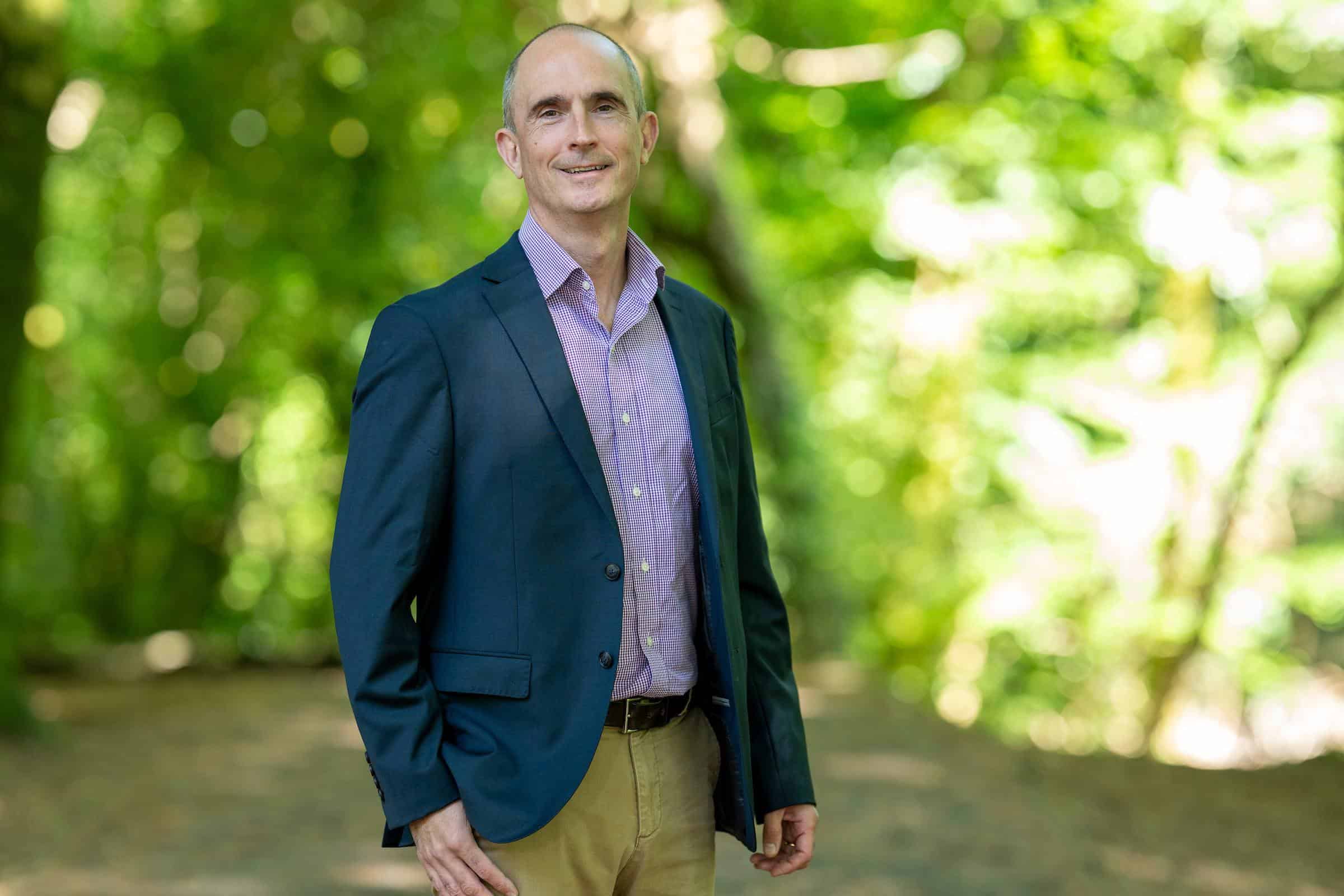
Keith Butler has been with Acorn Life Group since 2020 and leads the Ask Acorn brand. He has welcomed My Future Fund as a key step in addressing Ireland’s pension gap, while noting that auto-enrolment alone may not meet all retirement needs.
By Héloïse Chaudot
What are your main priorities and goals in your role?
My priorities are simple in principle, even if complex in execution: protect the balance sheet, grow sustainably and ensure we deliver real value to customers. Across Acorn Life DAC and Ask Acorn, we are focused on strengthening distribution, modernising our technology and positioning the Group for long-term relevance in an industry that is fast evolving
What are your biggest challenges as CEO?
Balancing change with stability. Financial services require prudence and strong governance, but it also demands agility. We are investing heavily in digital capability and new distribution models, while operating within an increasingly complex regulatory environment. It’s my job to make sure we move forward decisively, but with discipline.
How do you keep your team/staff motivated?
We have worked hard to build a culture that values constructive challenge and collaboration. At the end of the day, we have to hold ourselves to measurable outcomes.
What are the challenges facing the industry going forward?
Regulation continues to increase, which is appropriate in many respects, but it also adds cost and complexity. Customer expectations have changed dramatically. People want digital access, speed and transparency. At the same time, there is a growing advice gap, particularly around pensions, where many individuals need guidance but don’t always get it.
What new trends are emerging in your industry?
Hybrid advice models are becoming more prominent – combining digital tools with human expertise. Data analytics is transforming underwriting and customer engagement. ESG considerations are now central to capital allocation and product design. The businesses that thrive will be those that adapt quickly without losing sight of trust.
Are there any major changes you would like to see in your sector?
If I could see one change in the sector, it would be greater simplification of overlapping regulatory frameworks. Yes, we need regulation to protect consumers, but it can be frustrating how slow things move sometimes – it can stifle innovation. Striking the right balance will be important in the years ahead.
As an employer, are you finding any skill gaps in the market?
We are increasingly looking for people who combine commercial awareness with digital capability. Technology, data and customer insight are no longer specialist areas; they are core business competencies. Developing future leaders internally is a priority for me. Succession planning and mentorship are essential to resilience.
How did your strategy develop in the context of the banking crisis and economic crisis?
Economic cycles and past financial crises reinforced the importance of capital discipline and scenario planning. We stress-test our assumptions rigorously and plan for downside risks. But they also taught us to recognise opportunity when it appears.
How do you define success, and what drives you to succeed?
To me, success is about creating long-term value. It’s about building a financially strong company, trusted by customers and capable of adapting to change. Personally, I am driven by strategy execution and delivery – when an idea becomes embedded in the organisation and begins delivering tangible results.
What’s the best advice you’ve been given in business?
“Focus on what you can control.” Markets shift, regulations change – but clarity of focus helps maintain perspective.
What advice would you give to others starting in business?
Build credibility early. Do what you say you will do. Understand the basics like cash flow, customers and cost before chasing growth. And never underestimate the value of reputation.
What have been your highlights in business over the past year?
Key highlights include successfully implementing our new governance model, strengthening our brand positioning and progressing our long-term IT strategy. We have also expanded our product range and deepened collaboration across the Group.
Where do you want your business/brand to be this time next year?
What’s next is execution. We are entering the next phase of our distribution and technology strategy, expanding partnerships, enhancing digital capability and sharpening our customer experience. Over the coming year, I aim for our brand to be perceived as financially strong, modern, and increasingly customer-centric.
What is the best book you’ve ever read (non-business) and why?
The best non-business book I’ve read is What I Think About When I Think About Running by Haruki Murakami. It resonates with me because it’s about discipline, endurance, and the quiet consistency required to improve over time. These lessons apply as much in leadership as they do in running.
What is your favourite hobby and why?
Long-distance running. It’s simple, demanding and humbling. Progress comes through consistency.
What is your mantra for life?
My mantra is: “Take ownership.” Accountability both personally and within an organisation – that is where real progress begins.
Read more CEO Q&A:
Michael Kavanagh, CEO of the Compliance Institute