By Héloïse Chaudot
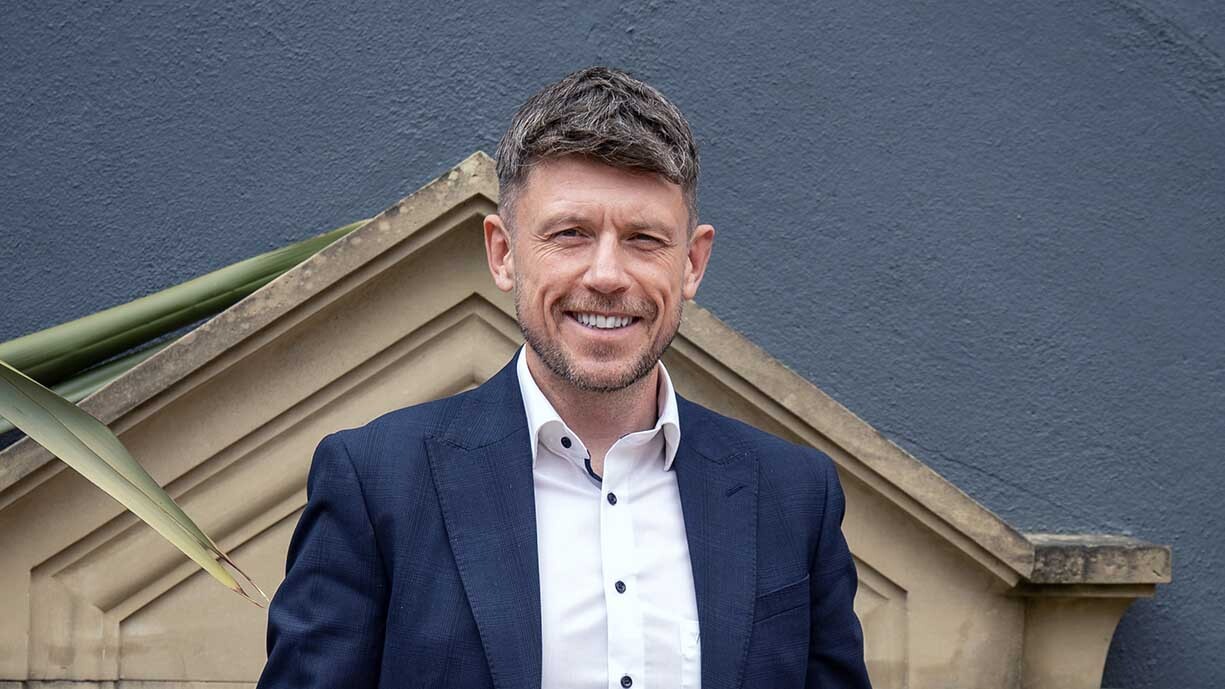
Shane Tobin is the founder and CEO of True Financial, the Irish financial services group behind LowQuotes.ie, True Wealth, Low.ie and Hello.ie. He founded the business in 2014 after beginning his career in 2005 as a trainee financial adviser.
What are your main priorities and goals in your role?
My priority is taking care of our customers first and foremost, providing a seamless experience, and then maintaining our growth trajectory without losing the quality of advice and service that got us to this point. We are building a stronger group across our four brands, continually investing in technology and automation, and making it easier than ever for clients to access the right financial advice and the most suitable financial products when they need them most. Growth matters, but it has to improve the customer experience first and foremost.
What are your biggest challenges as CEO?
There are many challenges; keeping up with technology in a new world of AI is one of them, and taking care of our people in a larger organisation also proves a challenge. We have grown quickly, added brands, acquired businesses, and expanded the team, so the job is to make sure our systems, culture, staff, and customer experience scale with the business without compromising quality. In financial services, you have to innovate while maintaining trust, compliance, and a down-to-earth perspective that allows you to understand the everyday client and their needs.
How do you keep your team/staff motivated?
People need clarity, ownership and recognition. I try to make sure the team understands where the business is going and how their work contributes, while giving people room to take responsibility, have autonomy, and improve things. As we grow, keeping communication open and recognising strong performance becomes even more important. Our business is very serious about rewarding and recognising the people that advise our clients and manage the business every day. I am a small part of a big team, and we are lucky enough to be surrounded by talented individuals.
What are the challenges facing the industry going forward?
Financial services are becoming more complex for consumers, while expectations for speed and simplicity are rising with consumers. Regulation, pension adequacy, affordability and financial planning literacy all remain important challenges. The industry has to make good advice clear and simple, and easier to access, without oversimplifying decisions that can have consequences for decades. People genuinely fear making financial decisions; our responsibility to communicate brilliantly with consumers and clients is so important.
What new trends are emerging in your industry?
AI, automation and better use of data are changing how financial firms operate. Used well, technology can streamline administration, improve response times, and give advisers more time for conversations where human advice and judgement really matter. We are also seeing customers expect a more connected digital experience without losing access to a real person. Financial services is a people business; that’s why I love the industry. The need for human financial advice is critical to the industry and is going nowhere.
Are there any major changes you would like to see in your sector?
I would like to see continued progress towards making financial advice easier for everyday people to understand and engage with. Better financial education is part of that, but the industry also has a responsibility to communicate more clearly. Complexity should never become a barrier that stops people from taking action on pensions, protection or long-term planning. Our job is to make financial planning simple and easy to understand.
As an employer, are you finding any skill gaps in the market?
The strongest people increasingly need a combination of financial knowledge together with really great communication skills. The phrase “communication skills” can be thrown around quite freely, but that skill is getting harder to find in the market; we value that skill set highly in our business.
Technology can be taught, but curiosity, judgement and the ability to explain complex issues clearly are extremely valuable. As AI becomes more embedded, practical AI literacy alongside strong financial-services knowledge and great communication will become increasingly important.
How did your strategy develop in the context of the banking crisis and economic crisis?
I suffered financially through those times, and in the crash, I witnessed a lot of people suffer badly too. What stayed with me was the effect on their health, their wellbeing and the lives they had worked so hard to build. That made providing good financial advice much more personal to me.
It also changed how I viewed banks. I felt there had been too much focus on what people could borrow and too little on what would happen if their circumstances changed. Being approved for a loan can feel like reassurance that you can afford it. But could you still manage if your income fell? A lot more financial planning was needed around the financial product itself.
Those experiences shaped True Financial. I wanted to build a business that understood the person and their whole financial position, how their mortgage, pension, savings and protection fit together in one plan, and where they might be exposed.
Good advice cannot prevent a financial crisis, but it can help people face one better prepared and with more options. Having experienced that pressure myself, building a business that can make that difference means a great deal to me.
How do you define success, and what drives you to succeed?
Success for me is building a really well-run business that serves people very well in their lives, a business that lasts the distance, with people who genuinely care and connect to that shared purpose or goal, a business clients trust in, where good people can build longstanding careers and friendships. Revenue and growth are important measures; of course they are. Our business has to be profitable to protect our clients and staff, but those are outcomes; for me, success is enjoying the journey along the way.
I think what drives me most at this stage of my career is people. Seeing people around me succeed is a big one for me, seeing clients and consumers in society benefit from a new dynamic business model, and knowing that many people’s lives were affected in a positive way by a business that I played some part in building.
What’s the best advice you’ve been given in business?
The best advice came from Frank Ryan, who has been my business mentor for many years: understand exactly what you are dealing with before you react. Get into the details, understand the data and make sure your decisions are grounded in reality.
That applies equally to problems and opportunities. If something worries you, establish how serious it actually is. If something excites you, understand what justifies that excitement. It is easy to spend time and emotional energy reacting to what we imagine a situation might be.
That advice has stayed with me in business and in life. It has helped me put problems into perspective, assess opportunities more clearly and build the business on facts rather than assumptions.
What advice would you give to others starting in business?
Stay close to the customer and solve the real problem, keep your feet on the ground, and master your craft. You do not need to have every part of the business figured out on day one, but you do need to learn, adapt and keep moving with momentum towards a business goal. Build the skill of discipline; motivation will get you started on your goal, but consistency and discipline will build momentum toward your business goals. Build a strong team around you, and get out of their way, let them do their job, and never, ever, give up!
What have been your highlights in business over the past year?
Seeing our business model serve more clients than ever before, I have seen many of our staff members buy their first home, which gives me great satisfaction, and, in general, progress nicely in their financial lives. The scale of the group’s growth has been a major highlight, and that’s down to our amazing staff. We acquired Low.ie in 2025, and Hello.ie in January 2026, while continuing to expand the wider True Financial business. Revenue has grown since 2020 by more than 1,100%, and our team has grown to more than 50 people.
What’s next for your company?
The next phase is about utilising technology and AI for the betterment of our clients and staff: continuing to grow our brands, hiring more advisors and administrative staff. We are always on the lookout for talent; we are on the acquisition trail and hope to acquire at least one more business by the end of 2026. We want technology to make advice more accessible and efficient, while keeping advisers at the centre of the decisions where people need expertise and reassurance. This business will always be a people business; I just want to make it so that the people involved have all the tools necessary to deliver a best-in-class financial planning advice model.
Where do you want your business/brand to be this time next year?
This time next year, I want us to be able to point to what we have learned and how we have put it into practice. That means a more experienced team, where staff are progressing in their studies and careers; we will be striving to have a more efficient business and an even better experience for our clients.
I want to see continued growth across LowQuotes, True Wealth, Low.ie and Hello.ie, with the quality of our advice and service improving alongside it. Technology has an important role in making that possible, simplifying the process for clients and giving our people more time to understand their needs.
The ambition is to build a business that can serve more people while retaining the personal communication and trust that matter when someone is making a major financial decision.
Read more CEO Q&As: