By Business & Finance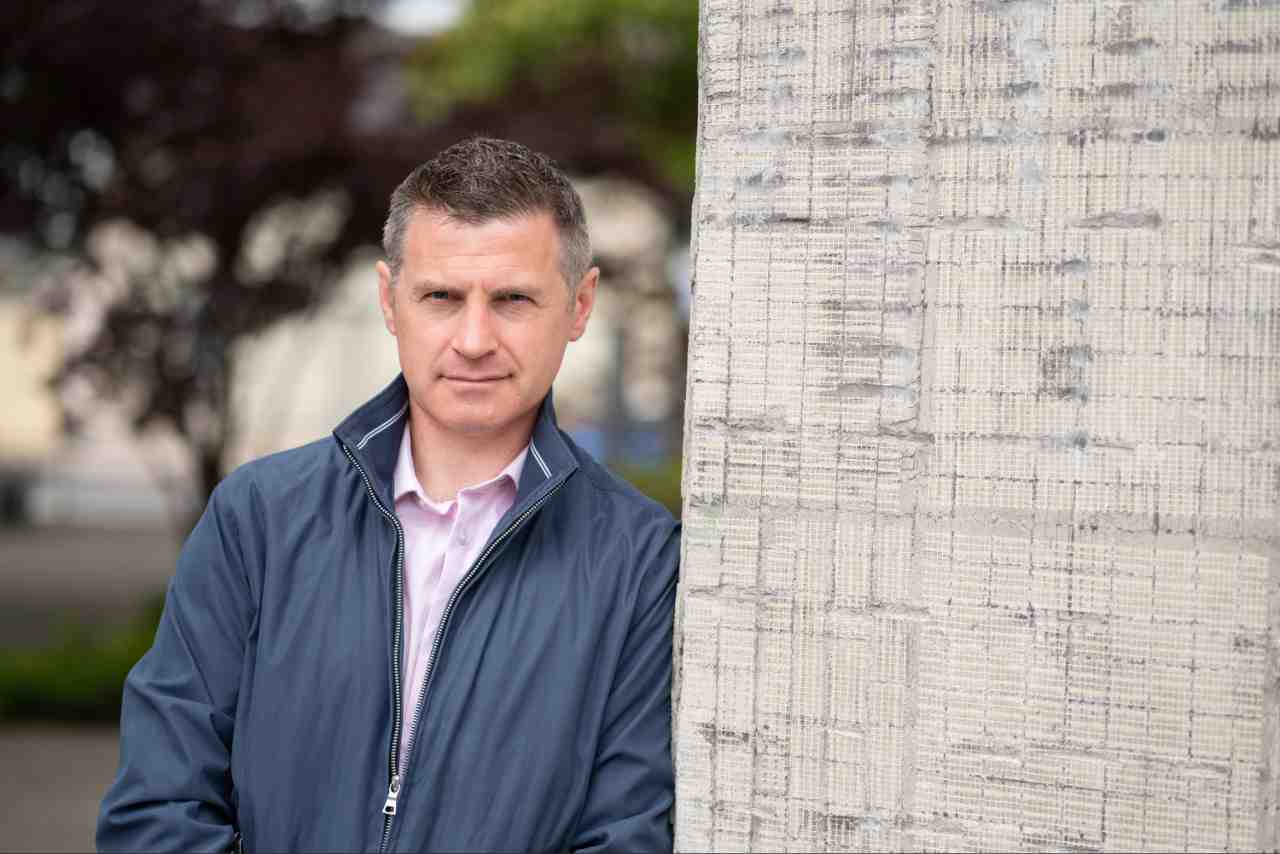
Dónal Traynor is Group CEO of Community Finance Ireland, with over 20 years of experience in providing affordable and responsible finance to community-based enterprises across the island of Ireland. He is passionate about empowering communities to drive their own progress and ensuring social impact translates into tangible change.
What are your main priorities and goals in your role?
Ultimately, the goal is simple – more social impact, delivered sustainably and responsibly. My focus is on scaling access to fair, flexible finance for communities across the island that are often overlooked by mainstream providers. That means strengthening our capital base, deepening partnerships, and ensuring we remain close to the needs of communities.
What are your biggest challenges as CEO?
Balancing growth with mission integrity is key. Demand for social finance is increasing rapidly, but we must ensure that growth never compromises our values or risk discipline.
How do you keep your team/staff motivated?
Purpose is our strongest motivator. When people see the tangible impact of their work – projects built, services sustained, communities strengthened – it creates a powerful sense of ownership. At this point, we have invested for impact across all 32 counties. No matter who you meet or where they’re from, it’s very easy to make a direct connection between that person, their community, and our activities.
What are the challenges facing the industry going forward?
Access to long-term, cost-effective capital remains the core issue. We are unique in the marketplace here, being operational both within and beyond the EU. This gives us access to an aggregate of opportunities beyond the reach of others.
What new trends are emerging in your industry?
We developed a sports market for social finance in Ireland about 10 years ago. Prior to that, much of the social investment in the south centred around community halls, social inclusion groups and other community development associations accessing European grant supports that required bridging finance and match funding. Recently there’s an uplift in decibel levels around renewables and climate challenger projects.
Are there any major changes you would like to see in your sector?
I would like to see more systemic support – particularly policy frameworks – that recognise the long-term value created by social finance. With the right backing, the sector can play a much larger role in addressing housing, climate and social inequality challenges.
As an employer, are you finding any skill gaps in the market?
Demand for our service offering continues to rise. There is a growing need for people who can balance the commercial reality of debt finance support with ambition to achieve social impact at scale – individuals who are commercially astute but also values-driven. That combination is still relatively scarce, but it’s absolutely central to our future. We’ve been very fortunate in that regard.
How did your strategy develop in the context of the banking and economic crisis?
It reinforced the importance of trust and relationship-based banking. The crisis revealed the consequences of disconnecting finance from real-world outcomes. Our lending is grounded in purpose, resilience and long-term value creation to enhance the quality of life for the communities we engage with.
How do you define success, and what drives you to succeed?
Success is measured by impact. It’s not just about capital deployed, but about lives improved and communities strengthened. What drives me is the knowledge that our social finance, when used responsibly, can be a powerful force for good.
What’s the best advice you’ve been given in business?
Stay close to your purpose. Strategy, markets, people and conditions will change, but clarity of purpose provides direction when everything else becomes uncertain.
What advice would you give to others starting in business?
Be adaptable and remain resilient. Just like our own business, success rarely follows a straight line, and opportunities rarely come neatly packaged. Build strong relationships early and maintain them. Trust and reputation are your most valuable assets.
What have been your highlights in business over the past year?
We have had a record year in lending approvals across 2025 despite all the macroeconomic uncertainty. It builds further on gradual sustainable growth in terms of providing access to greater numbers of ambitious communities, exemplified by a very high, independently verified social value score. The delivery of another cross-border support programme defined by such positive feedback proves there’s more to CFI than lending.
What’s next for your company?
Expanding our reach and deepening our impact – supporting more projects, in more places. Growth indeed, but with discipline and purpose. There are a few opportunities to expand our own access to capital for onward lending that will keep us busy too.
Where do you want your business/brand to be this time next year?
I want the Community Finance Ireland brand to be more widely recognised as a go-to partner for social investment – trusted, impactful and scalable, replete with enhanced capital to match subsequent demand levels.
What is the best book you’ve ever read (non-business) and why?
McCarthy’s Bar. It’s one of the few books that caused me to incessantly laugh out loud whilst reading in a public environment, and a good laugh is very important!
What is your mantra for life?
Never step on the crocodile when you are crossing the river. It doesn’t cost anything to be nice.
Read more CEO Q&As:
Emma Redmond, Head of OpenAI Ireland